Research-led thinking, design-driven interfaces.
I research complex systems by understanding the people, workflows, and constraints behind them, then translate what I find into product direction, workflows, and interface design. More about me
Case studies
A progressive body of work building a unified laboratory platform, from foundational shared architecture and multi-market compliance to clinical workflow design, platform accessibility, and analytics.
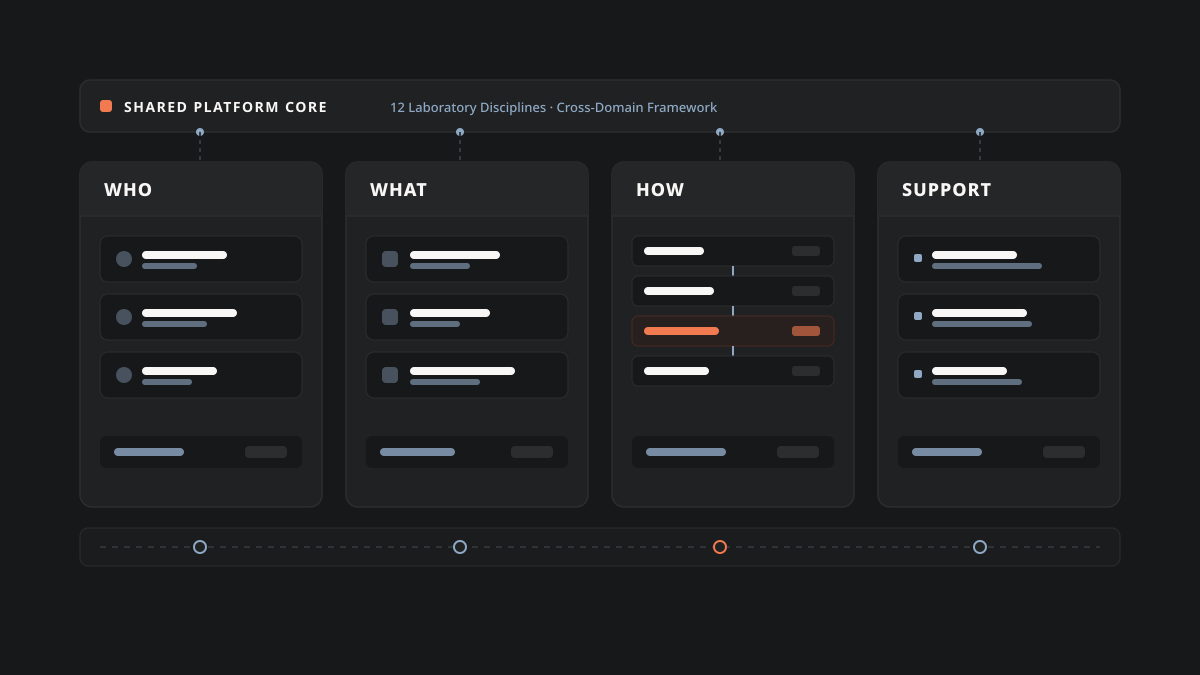
Designing a Shared Laboratory Experience
Research across twelve laboratory disciplines to identify what could be shared across the platform and what needed to remain discipline-specific.
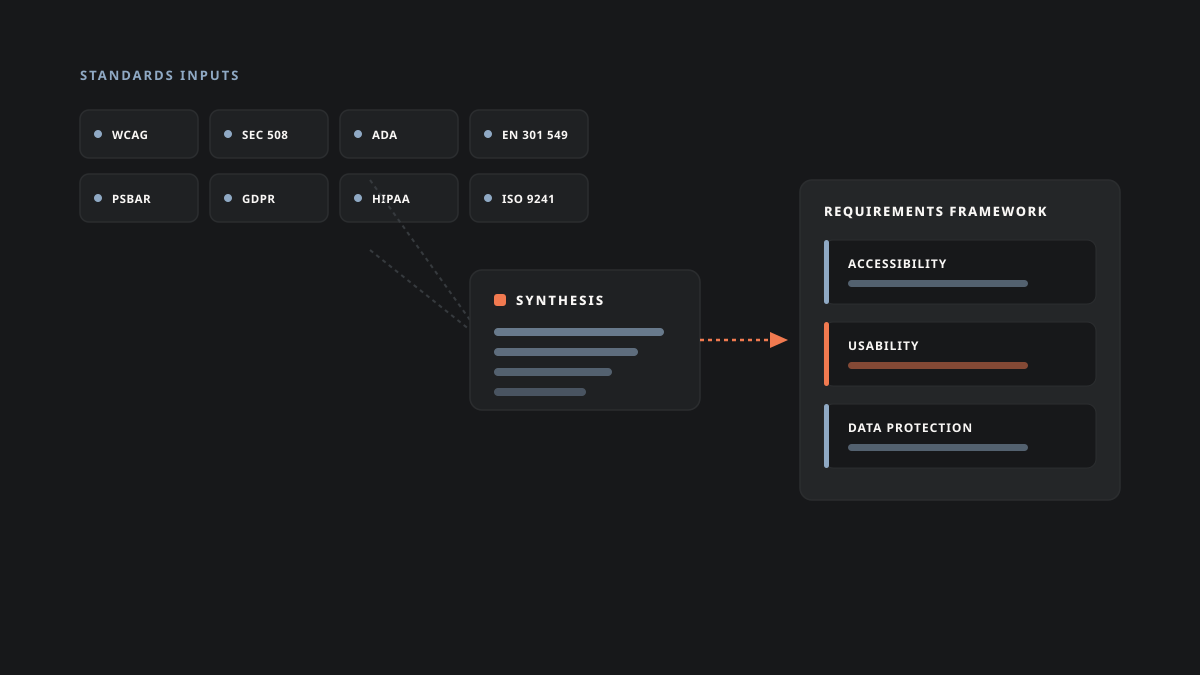
Global Compliance & Accessibility Framework
Analyzing regulatory requirements across U.S. and U.K. markets to identify where product requirements aligned, conflicted, or required market-specific behavior.
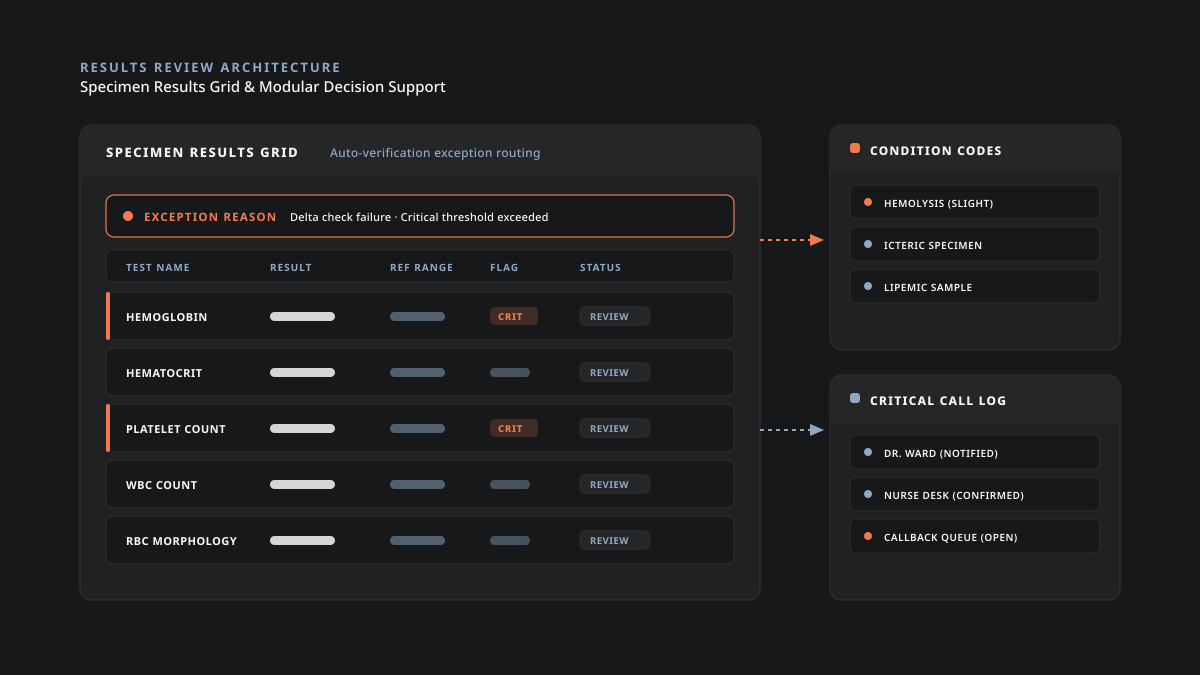
Clinical Pathology Results Review
Rethinking results review around how laboratory professionals interpret and verify patient results, rather than adapting a legacy screen workflow.
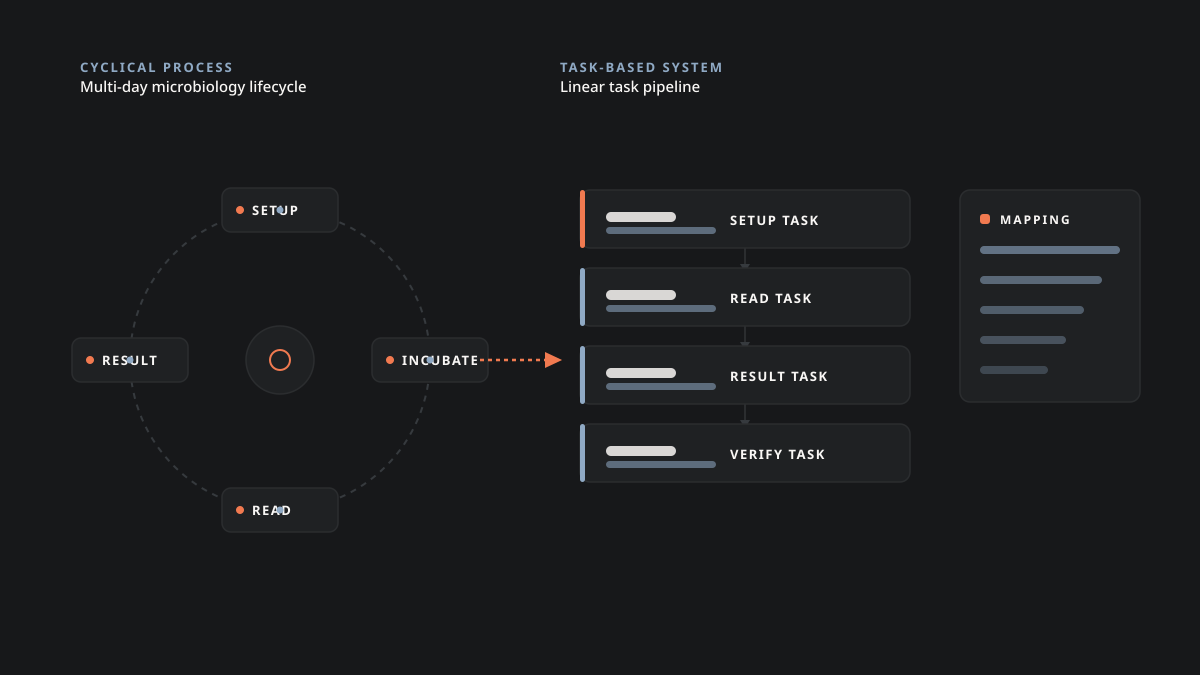
Clinical Microbiology Setup & Results
Researching how a cyclical, multi-day laboratory workflow could work within a platform originally designed around more predictable processes.
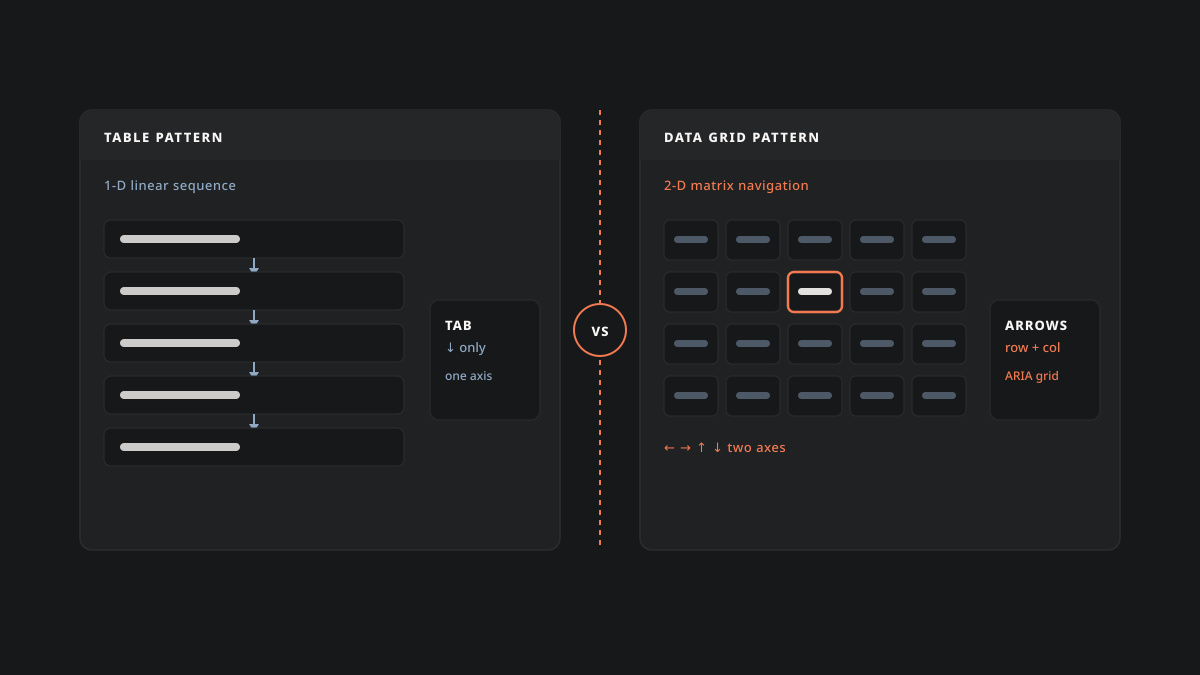
Keyboard Accessibility & Interaction Strategy
Auditing keyboard behavior across the platform revealed a larger problem: inconsistent interaction models were making similar components behave differently for keyboard users.
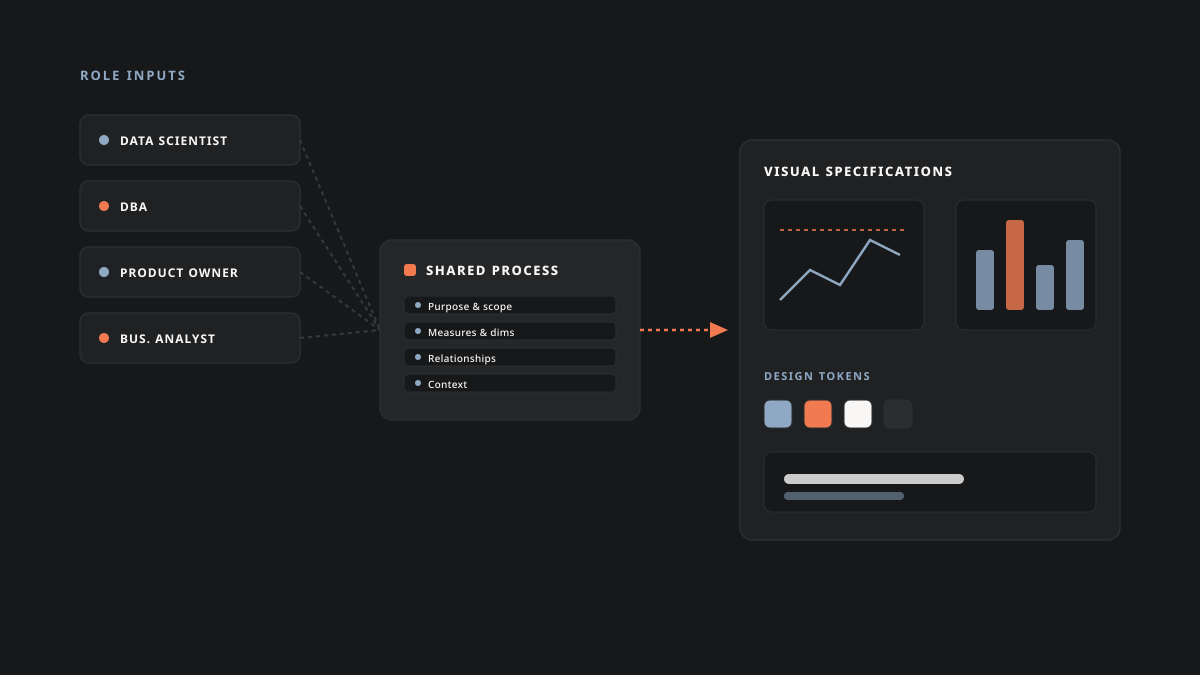
Data Visualization Requirements & Design System
Investigating what laboratory data needed to communicate before defining how it should be visualized across a shared analytics experience.
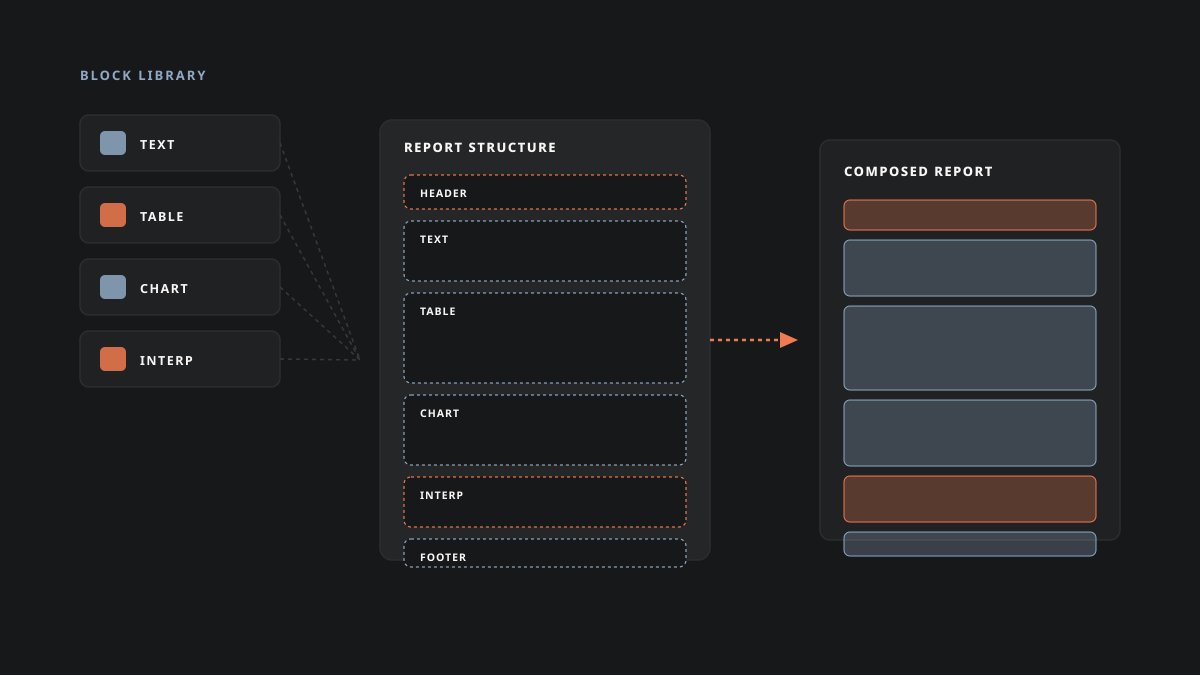
Report Composer
Researching how different users build, manage, and reuse reports to define a reporting model that could scale from simple outputs to complex scientific data.
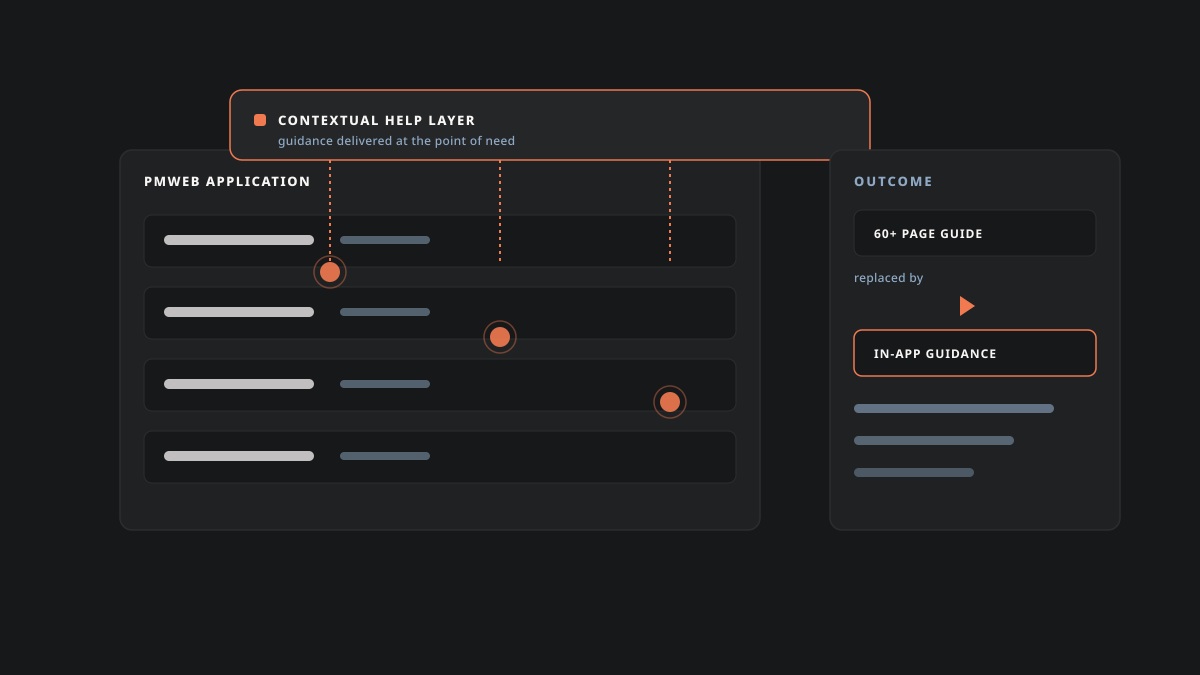
Adaptive Help & Contextual Learning
Researching and designing contextual, in-app guidance to reduce reliance on documentation and support.
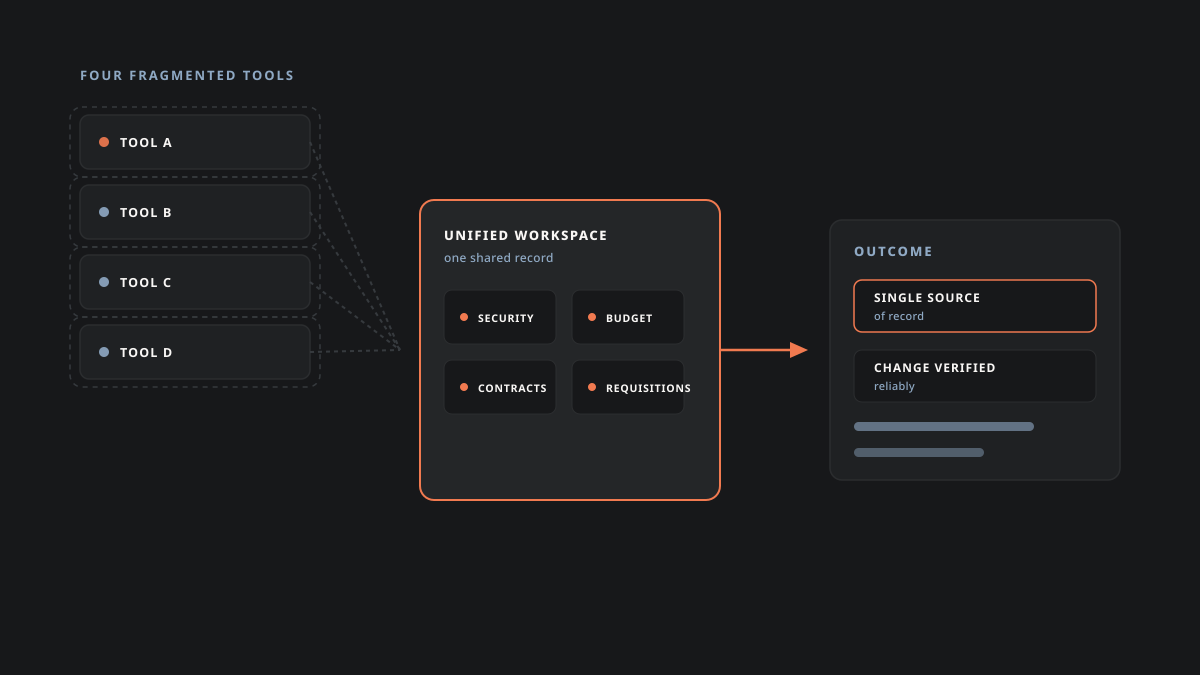
From Access Database to Unified Workspace
Mapping the tangled data dependencies behind four legacy Microsoft Access tools, auditing them against usability heuristics, and redesigning them into one PPM workspace.
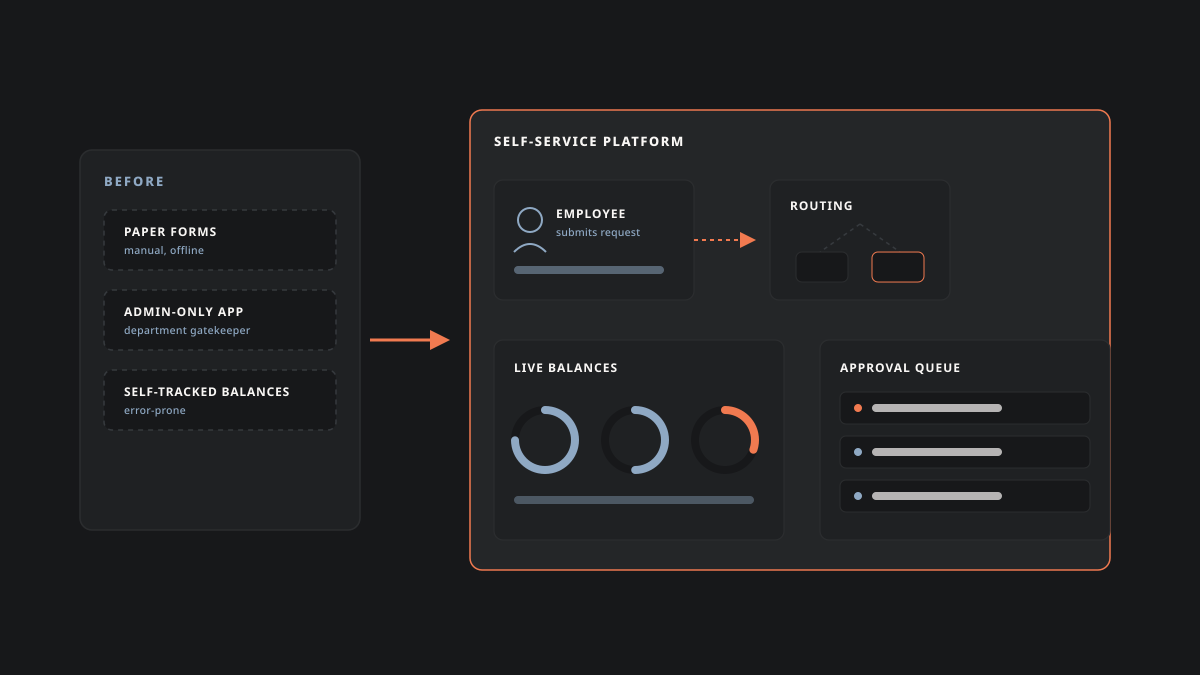
Employee Time-Off Request Platform
Researching a manual, administrator-dependent paper process, then leading the UX redesign that replaced it, later adopted by NBCUniversal Parks.
About
I started my career in IT and systems analysis before moving into UX, which is probably why I'm drawn to complicated products. I like understanding how all the pieces fit together, but I'm even more interested in how people actually work within those systems and where the product gets in their way.
I'm naturally curious and comfortable asking direct questions, especially when the problem isn't well defined yet. I tend to look for patterns across conversations, workflows, and constraints, then make those patterns visible so the team has something concrete to work from.
My work often moves from research into workflow and interface design. I like staying close enough to the product to see what happens to the research, help translate it into decisions, and test whether what we built actually works.
Experience
UX Researcher
Clinisys Information Systems
Led research and design across complex laboratory systems spanning Clinical Pathology, Clinical Microbiology, Public Health, accessibility, reporting, and platform-wide workflows. Worked directly with laboratory professionals to understand roles, workflows, constraints, and differences across disciplines, then translated that research into shared frameworks, product direction, workflow and interface design, and validation through testing.
Aug 2021 – Feb 2026 · Remote
Business Analyst, UX Research & Design
NBCUniversal Creative
I researched how internal teams actually worked, through stakeholder interviews and process analysis across departments, then designed the tools that simplified their most complex workflows.
Jan 2017 – Aug 2019 · Hollywood, CA
Business Analyst, UX Research & Design
Film L.A. Inc.
I analyzed a complex regulatory permitting process, mapping how filers, reviewers, and city staff moved through it, then owned the redesign of the digital platform around what I found, turning bureaucratic requirements into an intuitive user experience for everyone involved.
Apr 2008 – May 2016 · Hollywood, CA
Expertise
Research
Generative & Evaluative Research · Interviews · Contextual Inquiry · Moderated Usability Testing
Synthesis & Systems
Workflow Analysis · Research Synthesis · Journey Mapping · Service Blueprinting · Information Architecture
Design & Validation
Interaction Design · Prototyping · Design Systems · Accessibility · Usability Validation